Field notes · Updated June 2026

The Best No-Pull Harnesses for Golden Retrievers

A Golden Retriever pulls from sheer friendliness, but it still wrenches your shoulder. The right no-pull harness adds front-clip control and coat-friendly padding without matting that thick double coat.

Organized by what you do together: everyday walks, trails, leash training, and growing puppies

By activity, not a ranking·5 real harnesses·12 min read
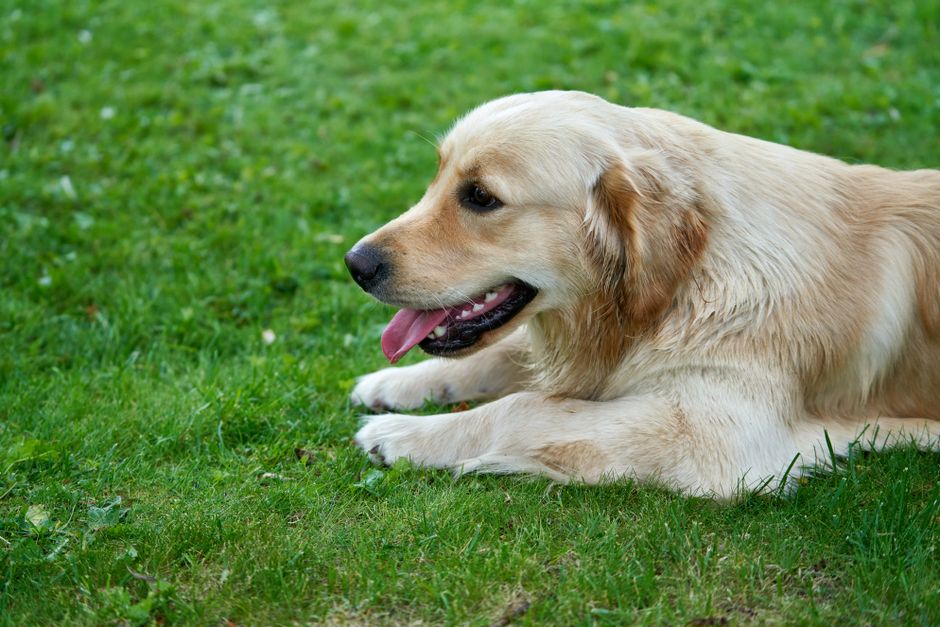
A Golden Retriever out on a sunny walkPhoto: Masood Aslami · Pexels
Start here

Pick what you and your Golden actually do

There is no single best harness for the breed, only a best one for how you spend your time together. Tap an activity to see the harness suited to it and why.

For everyday walks, start with

Ruffwear Front Range

A padded, Y-shaped dual-clip harness is the do-everything default: use the front ring while manners are a work in progress, the back ring once your Golden strolls politely.

Check price on Amazon →
The short version

A field note before the picks

Spend an hour at any dog park and you can spot the Golden Retrievers before you see them clearly, because they are the ones towing a slightly off-balance human toward every new friend. Goldens do not pull from stubbornness or dominance. They pull because the world is one big invitation and they want to RSVP to all of it at once. The problem is that a grown Golden is a powerful, athletic dog, and that happy lunge lands on your shoulder and, if it is wearing only a flat collar, on its own windpipe.

What you quickly notice watching enough of them is that there is no single best harness for the breed, only a best harness for what a particular dog and owner spend their time doing. The harness that is perfect for teaching a wild ten-month-old to walk politely is overkill on a calm senior, and the rugged vest that shines on a mountain trail is too much hardware for a quick loop around the block.

So this guide is built the way you actually live with the dog: by activity. Pick the thing you do most often together and start there. Every recommendation below is chosen for the same three Golden truths, a friendly but strong pull that needs front-clip steering, a deep chest and broad shoulders that need a real Y-shaped fit, and a thick double coat that mats and rubs thin where cheap straps saw against it.

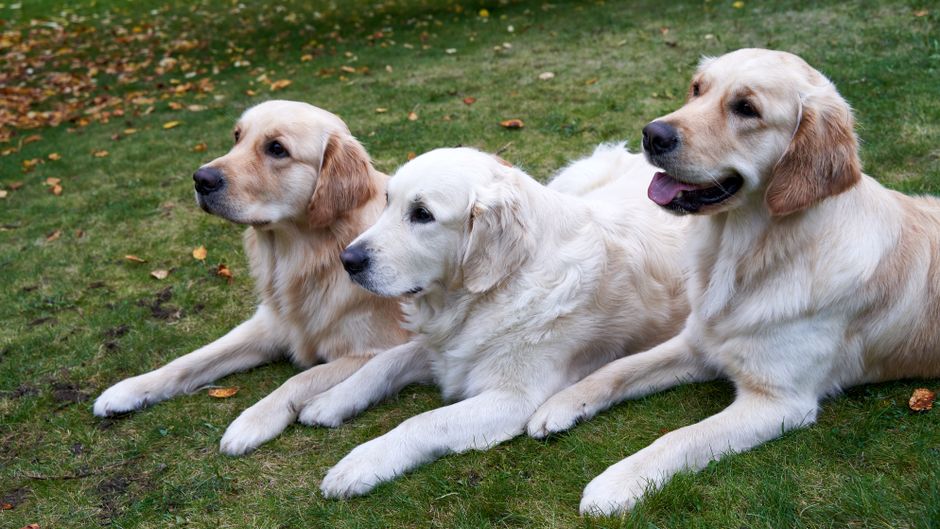
golden retriever (Barnabas Davoti)
Photo: Barnabas Davoti / Pexels
By use case

Match a no pull harness for golden retriever to your week

Four activities cover almost every Golden household. Find yours, read why that situation is different, and start with the pick that suits it. The products repeat on purpose, because a good harness earns its place in more than one scenario.

Everyday neighbourhood walks

One harness that does everything, day after day, without fuss.

This is the life most Goldens lead: a couple of loops around the block, the school run, a sniff-heavy amble to the park and back. The dog is reasonably well mannered but still surges when a squirrel or a toddler appears, so you want gentle front-clip control on tap without strapping your dog into expedition gear for a fifteen-minute walk.

The sweet spot here is a padded, Y-shaped harness with two leash points. Clip the front ring on the days your Golden is feeling sociable, use the back ring for relaxed strolls, and never think about it again. Comfort and coat protection matter more than raw toughness, because this harness goes on every single day and sits against that double coat for hours a week.

Small touches earn their keep when a harness is worn this often. Reflective trim is worth having for dark winter mornings and evenings, an overhead step-in or quick-release buckles save your back on a dog that dances around when it sees the leash, and a snug-but-soft fit means you can leave it on for the whole outing without a single rub mark to show for it.

If you only ever buy one harness, buy for this scenario, because the everyday harness shapes how your Golden feels about walking. Favour the quiet virtues: a fit you set once and forget, padding that leaves no mark after an hour out, and a back-up clip for the days your training slips.

  • +Padded chest and belly panels that spread an excited lunge instead of one thin strap digging in
  • +A dual front-and-back clip so one harness covers both training days and calm days
  • +Easy on and off, because a harness you dread wrestling onto the dog is a harness you stop using
Start with
Ruffwear Front Range

A padded, Y-shaped, dual-clip harness that is the genuine do-everything default for most Goldens.

See the Ruffwear Front Range in the shortlist below ↓

Also consider rabbitgoo No-Pull, The same core front-clip features at a friendlier price if you would rather not spend more.

Hiking, swimming and weekend adventures

A harness that survives trails, water and a dog that crashes through everything.

A Golden is happiest filthy and tired, halfway up a trail or shaking lake water all over you. Adventure days ask different things of a harness than the daily loop does. You want a build that shrugs off mud, brush and repeated soakings, hardware that will not fail when your dog hits the end of the leash on a rock ledge, and above all a solid grab handle so you can steady or lift your dog over an obstacle or away from a cliff edge in an instant.

This is the one scenario where more harness is the right call. A rugged vest with a wide, load-spreading body keeps a long day comfortable, a front leash point still handles any pulling on the walk to the trailhead, and a back ring suits open trail once your Golden settles into a rhythm. The trade-off is weight and warmth, which is exactly why you would not want this much harness for a quick neighbourhood walk.

One field-tested habit: re-check the fit once your Golden is wet. A soaked coat sits flatter than a dry one, so a harness that felt snug at the trailhead can loosen after the first swim, giving an excited dog room to slip a shoulder. Goldens also overheat under a thick coat plus a padded vest, so on warm days build in shade and water breaks, and loosen or remove the harness during long rest stops.

Build two adventure habits into the routine. Check the hardware before every big day, running a thumb over the buckles, rings and stitching, because a vest that lives in mud and lake water ages faster than one doing gentle block loops. And respect the heat, because a thick double coat under a padded vest is a lot of insulation, so a hard-working Golden overheats on a warm trail well before you do.

  • +A sturdy, well-stitched top handle for instant close control near drop-offs, water or traffic
  • +Metal hardware and reinforced seams that hold up to a powerful dog and repeated wet-dry cycles
  • +A broad, padded body that spreads load over miles rather than a few thin straps
Start with
ICEFANG Tactical

A rugged vest with MOLLE webbing, metal buckles and a strong handle, built for Goldens that hike and swim.

See the ICEFANG Tactical in the shortlist below ↓

Also consider Ruffwear Front Range, Lighter and cooler for tamer trails and shorter outings where you do not need a full expedition vest.

Leash training a friendly puller

Real front-clip leverage to teach loose-leash manners, kindly.

If you are in the thick of teaching a strong adolescent not to drag you down the street, this is your scenario, and the harness is doing a job rather than just being worn. The whole point is the front clip: a chest attachment turns your Golden gently back toward you when it surges ahead, instead of giving it something to lean into and tow. That redirection is what makes loose-leash training possible without any pain-based correction, which matters enormously for a soft, eager-to-please breed that learns best on encouragement.

For this job you want a snug, multi-point fit that an excited dog cannot twist out of, a true front ring rather than a token one, and ideally a control handle for the heart-stopping moments when another dog appears mid-lesson. Pair the front clip with the simple stop-when-the-leash-tightens routine further down this page, and the harness keeps those lessons safe and comfortable while the new habit sticks.

Consistency is what actually fixes pulling, so make sure everyone who walks the dog uses the same front-clip setup and the same rules, or your Golden simply learns that one person is a soft touch. Think of the front clip as training wheels rather than a permanent crutch: as loose-leash walking becomes the default, you graduate to the back ring for everyday comfort and keep the front ring for high-distraction outings.

Timing matters as much as the gear. The friendly-puller stage usually peaks between roughly six and eighteen months, when a Golden is physically powerful but still emotionally a puppy, and that is exactly the window to put the work in. Front-clip control through those months, paired with the routine further down this page, is what stops a habit becoming an eighty-pound one.

  • +A genuine front chest ring, the single most useful feature for stopping a pull
  • +A four-point or multi-point fit so a lunging adolescent cannot wriggle a leg out
  • +A padded handle for fast, calm control when a distraction appears mid-walk
Start with
BARKBAY No-Pull

A four-point fit, metal front and back rings and a control handle, the value-minded answer to a strong young puller.

See the BARKBAY No-Pull in the shortlist below ↓

Also consider 2 Hounds Freedom, A gentler, velvet-lined option with a shoulder martingale if your trainee also has a coat that mats easily.

A growing puppy

Adjustable, easy on, and not so dear that outgrowing it stings.

A Golden puppy can add size for the better part of a year, which makes an expensive harness a frustrating purchase, because the dog grows out of it before it wears out. The smart move with a pup is a well-made but sensibly priced harness with plenty of adjustment, so you can keep it fitting through a few months of growth before you size up. You are not buying for life here, you are buying for this stretch of fast change.

Two practical things matter more with a puppy than with an adult. The first is genuinely easy on-and-off, because a wriggly, mouthy pup will not stand still for a complicated step-in routine. The second is gentle, broad padding, since a young dog is still learning that walks are calm and you do not want straps that pinch or rub teaching it the opposite. Introduce the harness with treats, let the pup wear it indoors first, and keep early walks short and happy.

A few safety notes for the puppy stage. Do not leave a harness on an unsupervised pup, because a mouthy youngster will happily chew the straps. Re-check the fit every couple of weeks during growth spurts, since a harness that fit at the start of the month can be tight by the end of it, and look for the early signs of a friendly puller so you can layer in loose-leash practice before the habit hardens into an eighty-pound problem.

One thing the harness aisle will not mention: a Golden puppy's joints are still forming, so this stage wants short, frequent, gentle outings rather than long marches, and the harness should make those easy rather than a wrestling match. Pair it with a fixed-length lead rather than a retractable one, which only teaches a pup to drift to the end and lean.

  • +Lots of adjustment range so one harness lasts through several months of growth
  • +Quick, fuss-free on and off for a puppy that will not hold still
  • +Soft, broad padding so the very first harness experiences are comfortable ones
Start with
rabbitgoo No-Pull

Multiple adjustment points, easy on-and-off over a wriggly pup and a sensible price for a stage your puppy will outgrow.

See the rabbitgoo No-Pull in the shortlist below ↓

Also consider Ruffwear Front Range, The harness to graduate into once your Golden stops growing and you want one that lasts for years.

Breed-specific

Protecting that double coat under a harness

A Golden's coat is the breed-specific catch that most generic harness advice ignores. Get this part wrong and even a well-fitted harness leaves you with mats, broken fur and rubbed-thin patches behind the legs.

A Golden carries a dense double coat, a soft insulating undercoat beneath a longer water-repellent topcoat. That coat is wonderful and it is also exactly what a thin, hard strap destroys. Where narrow webbing crosses the chest and runs up behind the front legs, it works like a slow saw, twisting the fur into felted mats and, over weeks, wearing it down to bare skin in the armpits. The fix is not exotic: choose broad, padded or lined straps that glide over the coat and spread pressure, and avoid any design that cinches a thin cord under the legs to create discomfort. Those tightening-cord harnesses work through pinching, not physics, and they are unkind to a coat like this.

Fit feeds straight into coat health too. A harness left loose so it can shift and rub does more coat damage than a snug one that stays put, so dial in a two-finger fit at every strap and use all the adjustment points. The friction zones are predictable, the chest plate, the girth strap and the armpits, so make a habit of lifting the harness and brushing those contact areas a few times a week with a slicker brush or undercoat rake. Thirty seconds of brushing before a mat forms saves you a painful detangling session later.

Two more Golden realities. This breed swims and rolls in everything, and a coat left damp under a harness is a recipe for matting and hot spots, so take the harness off after water, towel the contact areas and let the coat dry before it goes back on. And Goldens blow their coat heavily a couple of times a year, when shed undercoat collects under straps and felts fast, so step up the brushing and consider giving the skin a harness-free rest at home during the worst of the shed.

Think about washing the harness, not just the dog. A Golden works skin oils, pond water and the grime of a happy life into the straps, and a harness that holds all that against the skin can start to irritate it. The kindest designs use padding you can clean, either a wipeable lining or a washable build, so favour materials that shed dirt rather than soak it up.

Summer is a coat challenge of its own. A double coat insulates in both directions, so it slows a Golden from overheating but also traps warmth once the dog is working, and a wide padded harness adds another layer where heat builds fastest. On hot days choose the lightest harness that does the job, favour breathable mesh-backed padding over thick foam, and walk in the cooler hours. Never shave the coat to make a harness sit better, because that coat is part of how a Golden manages its own temperature.

Finally, let your dog's skin tell you how the fit is doing. After a walk, slip the harness off and run your hands over the chest plate and armpits. Pink, irritated skin, a strip of broken or thinning fur, or a forming mat are all the harness reporting that it is rubbing, usually because it is too loose and shifting, too narrow in the strap, or simply the wrong shape for a deep chest. Treat those marks as feedback and adjust the fit, switch to a broader or lined strap, or size differently before a small rub becomes a sore.

Kindest on the coat
2 Hounds Freedom No-Pull

Its chest strap is lined with soft velvet that glides against a dense coat instead of sawing it, the single most coat-friendly touch among these picks, with a shoulder martingale that takes up slack without pressing on the neck.

See the 2 Hounds Freedom No-Pull in the shortlist below ↓
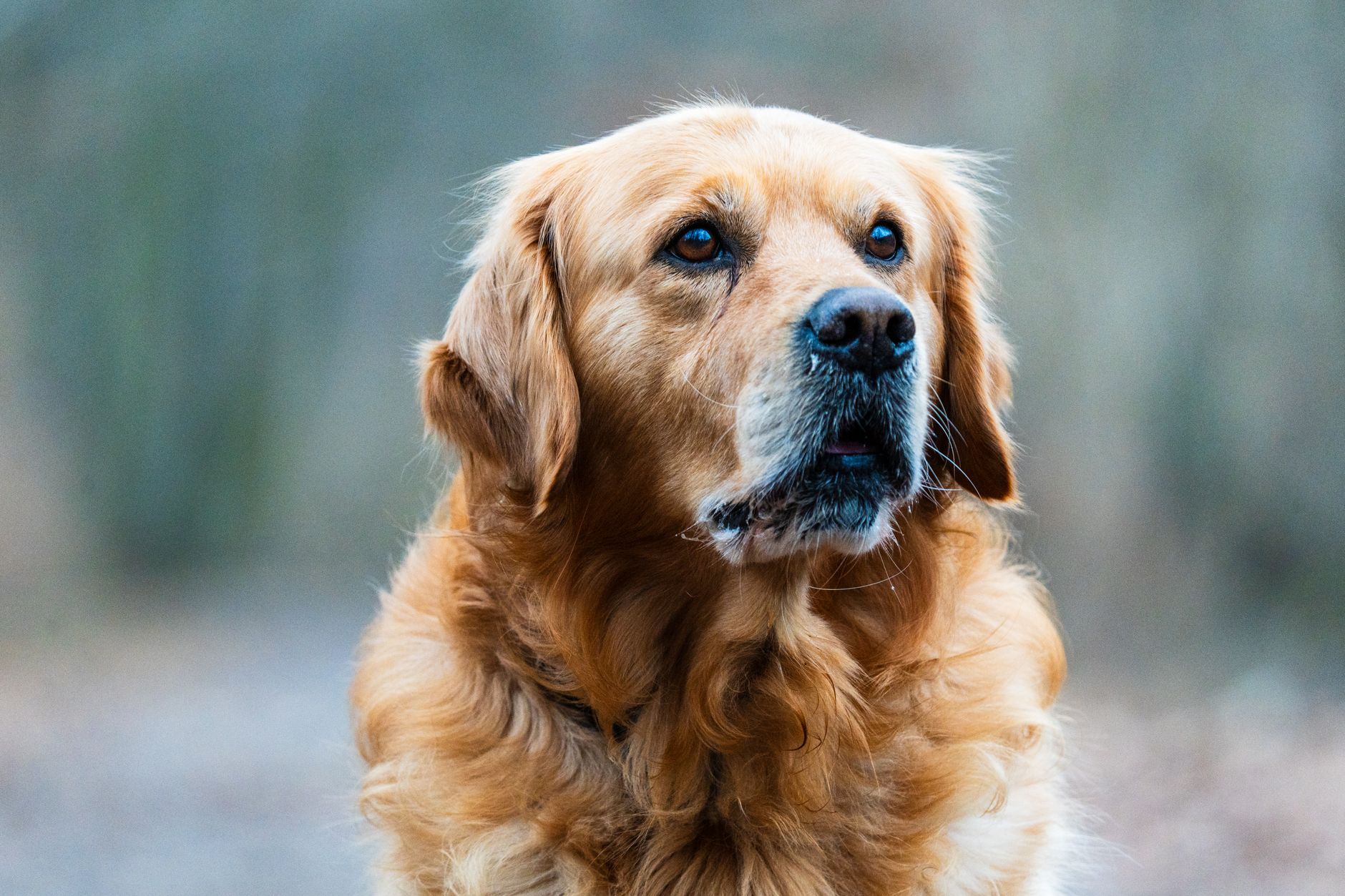
golden retriever (Barnabas Davoti)
Photo: Barnabas Davoti / Pexels
Get the fit right

Fitting a no pull harness for golden retriever to a deep chest

A harness that does not fit will not curb pulling and will rub the coat raw. Goldens are broad and deep through the chest with a comparatively narrow waist, so guessing a size rarely works. Two measurements, two checks and one rule get it right, and a growing puppy just means measuring more often.

1. Measure the chest girth

Wrap a soft fabric tape around the widest part of the rib cage, just behind the front legs, snug enough to sit flat against the coat without compressing it. This is the number that matters most, because nearly every harness is sized by chest girth and a Golden's deep barrel chest is what decides the size. No tape? Loop a lead around the chest, mark the spot, then measure that length against a ruler.

2. Measure the neck base

Measure around the base of the neck where a collar naturally sits, low on the shoulders rather than high on the throat, which on a Golden is broader than most people expect. Write both numbers down and check them against the specific brand's own size chart, since sizing varies a lot from maker to maker.

3. When between sizes, size up

Goldens often land between two sizes, and many harnesses run a touch snug on a deep chest. When in doubt, choose the larger size and tighten the adjusters inward, aiming for two fingers of room under every strap so an excited dog cannot twist out but nothing pinches.

4. Set the Y on the breastbone

A Y-shaped front should join over the breastbone, not press up into the soft throat, with the straps clearing the back of the front legs by about a finger's width. This is the placement that suits a deep chest and keeps the armpits, exactly where Goldens rub raw, free of a sawing strap.

5. Do the two-finger and twist test

With the harness on, slide two flat fingers under every strap; they should pass with a little resistance and no more. Then try to rotate the harness around the body and ease a shoulder out. If it spins or a leg slips free, tighten the adjusters and test again, because an excited Golden will find any slack you leave.

Most adult Goldens take a Large, though a broad, heavy male may need an Extra-Large and a slim young female can sit in a Medium. Treat the size label as a starting point, not the answer, and let your tape measure and the brand's chart make the final call. With a puppy, re-measure every couple of weeks during growth spurts, since a chest girth can jump a size in a month.

Put the front clip to work

Turning the front clip into a calmer walk

A harness manages pulling, it does not cure it. Back the front clip with a few minutes of consistent practice and a Golden learns the lesson quickly, because pleasing you is its favourite hobby.

  1. Fit it snug first, two fingers under each strap and no looser, so an excited dog cannot twist sideways or slip a leg out mid-lesson.
  2. Clip the leash to the front chest ring while your Golden is still learning, so any surge turns the dog gently back toward you instead of forward into the pressure.
  3. Start somewhere boring, a hallway or a quiet garden, before the busy street. A Golden cannot learn a new habit while every nerve is firing at squirrels, so build the skill where nothing competes for its attention.
  4. The instant the leash goes tight, stop walking and stand still like a tree. Move again only when it slackens, so your dog learns that pulling stalls the whole adventure and a loose leash is what keeps it going.
  5. Reward generously the moment your Golden walks beside you on a loose leash, marking it with a quick word like yes so the dog knows exactly what earned the treat. Catch the good far more often than you correct the bad.
  6. When a distraction appears, add distance before your dog reaches the end of the leash and use the padded handle for brief, calm control rather than a yank, then reward the dog for choosing you over it.
  7. Keep sessions short and end on a win, proofing the habit in gradually busier places. Switch to the back ring for everyday walks only once your Golden stays calm in real distractions.
Built to last

Hardware and materials: what lasts on a strong dog

A Golden is a large, powerful, enthusiastic dog, and a harness it wears daily for years has to survive that. Three things decide whether one lasts a single season or the better part of a decade.

Hardware: metal where it counts

On a dog this strong the load-bearing parts matter most. Look for metal leash rings, especially the front ring a puller leans into, and metal or reinforced buckles where the strain lands. A plastic side-release buckle on the belly strap is fine, but a thin plastic ring on the chest of a committed puller is the part most likely to fail.

Webbing and stitching

The straps should be dense, tightly woven nylon with box or bar-tack stitching at the stress points, the reinforced rectangles where straps meet rings. Loose, fluffy webbing frays, and a single line of straight stitching is what pops when an eighty-pound dog hits the end of the leash.

Padding that survives washing

Padding protects the coat, but cheap foam crushes flat and crumbles after a year of wear and washing. Better harnesses use resilient closed-cell foam or air mesh that springs back and dries quickly after a swim. Once the padding has gone hard and thin it has stopped doing its job and is due to be replaced.

Durability and coat care pull the same way, because the broad, well-padded, metal-hardware harness that lasts longest also spreads load most kindly over a deep chest. Rinse the salt and grit out after big days and a good one lasts for years.

Be seen

Reflective trim and being seen

Goldens get walked early and late, especially in winter, and a golden coat that looks bright in daylight can vanish against a dark verge at dusk. Reflective stitching woven into the straps earns its place on any harness used for the school run or the after-work loop, bouncing a driver's headlights back from a useful distance.

Treat reflectivity as a baseline, not the whole answer. For properly dark routes, add a clip-on LED light or a light-up collar so your dog is an active point of light rather than a passive reflector, cheap insurance for a big, friendly dog that drifts toward every passer-by.

The shortlist

The five Golden harnesses behind these picks

Every recommendation above comes from this short list, each chosen for a different kind of day. Prices change, so we link straight to the live listing rather than quote a number.

Everyday walks

Ruffwear Front Range Harness

Premium

The padded, Y-shaped, dual-clip default that most Golden owners settle on for daily life.

  • Padded, coat-friendly chest panel
  • Front and back clips
  • Tough ripstop build

Best for: Most Golden households that want one do-everything harness for daily life.

Watch-out: It is a premium price, and the padded body runs warmer than a strappy harness on hot days.

Check price on Amazon →
Coat protection

2 Hounds Design Freedom No-Pull Harness

Mid-range

A velvet-lined chest strap that glides over a thick coat instead of matting it, with a shoulder martingale.

  • Velvet-lined strap protects the coat
  • Front ring plus shoulder martingale
  • Stainless hardware

Best for: Goldens with coats that mat easily, and owners who want the gentlest option on fur.

Watch-out: The shoulder-martingale design takes a moment to learn to fit, and is fiddlier to put on than a simple step-in.

Check price on Amazon →
Leash training

BARKBAY No-Pull Dog Harness

Mid-range

A four-point fit, metal rings and a control handle for a strong adolescent in full pull mode.

  • Four-point fit for a deep chest
  • Metal front and back rings
  • Padded control handle

Best for: A strong adolescent in the thick of leash training that needs real front-clip leverage.

Watch-out: The four-point fit means more straps to set, so the first fitting takes patience to get right.

Check price on Amazon →
Hiking & adventure

ICEFANG Tactical Dog Harness

Mid-range

A rugged MOLLE vest with metal hardware and a strong handle for Goldens that hike and swim.

  • Very durable build
  • Front clip plus strong handle
  • MOLLE for patches and gear

Best for: Goldens that hike, swim and crash through everything on weekend adventures.

Watch-out: It is heavy and warm, far more harness than a quick neighbourhood loop ever needs.

Check price on Amazon →
Growing puppy

rabbitgoo No-Pull Dog Harness

Budget

The essential front-clip features, lots of adjustment and easy on-and-off at a friendly price.

  • Affordable
  • Front and back clips plus handle
  • Reflective, easy on and off

Best for: A growing puppy, or anyone wanting front-clip basics without spending much.

Watch-out: The lighter build and mostly plastic hardware will not outlast the premium picks on a determined adult puller.

Check price on Amazon →
Avoid these

Common Golden harness mistakes

Good to know

Common questions about a no pull harness for golden retriever

What is the best no-pull harness for a Golden Retriever?

It depends on what you do together. For everyday walks the Ruffwear Front Range is the do-everything default, for trails and water the ICEFANG Tactical is the rugged pick, for leash-training a strong adolescent the BARKBAY gives you front-clip control and a handle, and for a growing puppy the budget-friendly rabbitgoo makes sense. If your dog's coat mats easily, the velvet-lined 2 Hounds Freedom is the gentlest on fur.

Do no-pull harnesses really work on a strong Golden?

Yes, as long as you use the front chest clip. It redirects a pulling Golden sideways and back toward you instead of letting it lean into the pressure and tow you. It is not magic, so pair it with the stop-when-the-leash-tightens routine, but it makes a powerful, excitable dog genuinely manageable without any pressure on the throat.

Front-clip or back-clip harness for a Golden Retriever?

Front-clip for pulling and for training. The chest attachment turns your dog back toward you when it surges ahead. A dual-clip harness gives you both options: train on the front ring, then switch to the back ring for relaxed walks once your Golden has learned to keep the leash loose.

Will a harness mat or damage my Golden's coat?

A thin, badly fitted one can, especially in the armpits where straps rub. Avoid it by choosing broad, padded or lined straps, fitting the harness snug rather than loose so it cannot shift and saw, and brushing the contact areas a few times a week. A velvet-lined harness like the 2 Hounds Freedom is the kindest on a dense double coat.

What size harness does a Golden Retriever need?

Most adult Goldens take a Large, though a broad male may need an Extra-Large. Always measure chest girth just behind the front legs, measure the neck base, and check both against the brand's own chart, because sizing varies. Goldens are deep-chested, so when you fall between two sizes, size up and tighten the adjusters.

Is a harness better than a collar for a Golden Retriever?

For walks, and especially for pullers, yes. A harness keeps force off the throat and gives you far more control, while a flat collar concentrates a lunge on the windpipe. Keep the collar on for ID tags and clip the leash to a well-fitted harness for walking.

Which harness is best for hiking and swimming with my Golden?

A rugged, water-tolerant vest with metal hardware and a sturdy grab handle, which is why the ICEFANG Tactical is the adventure pick. The handle lets you steady or lift your dog over obstacles, and the durable build survives mud, brush and repeated soakings. Take the harness off after swims and let the coat dry to avoid matting and hot spots.

My Golden slips out of its harness, what should I do?

It is almost always a fit problem. Tighten to a two-finger fit at every strap, use all the adjustment points, and choose a model that wraps the deep chest snugly, such as the four-point BARKBAY. A correctly fitted no-pull harness is very hard for even an excited Golden to back out of.

Are metal or plastic buckles better for a Golden's harness?

For the load-bearing parts, metal. A grown Golden is strong enough to stress cheap plastic, so you want metal leash rings, especially the front one, and metal or reinforced buckles where the strain lands. A plastic side-release buckle on the belly strap is fine, but avoid a thin plastic ring on the chest of a committed puller.

How long should a harness last, and when should I replace it?

A well-made harness on an adult Golden should last several years. Replace it sooner if the padding has crushed flat and gone hard, the webbing is fraying, the stitching is pulling, or a buckle or ring is cracked or bent. With a puppy you will size up well before the harness wears out, so buy sensibly for the growing stage.

Affiliate disclosure. This guide is reader-supported. We may earn a commission on purchases made through links on this page, at no extra cost to you. As an Amazon Associate I earn from qualifying purchases. Our picks are chosen on fit for your dog and your week, not for commission.

General guidance for happy, healthy walks, not veterinary advice. If your Golden has skin, mobility or behaviour concerns, check with your vet or a qualified trainer.